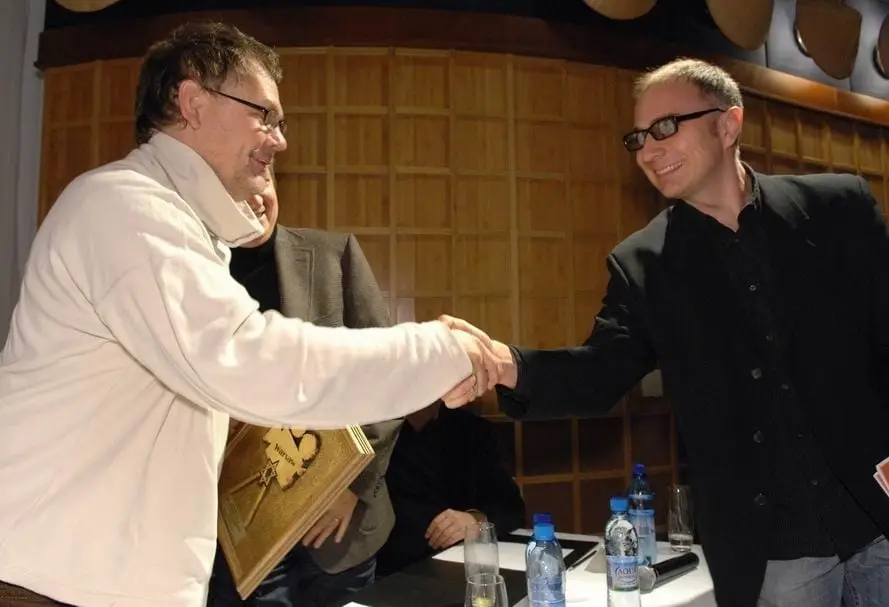
The award is for vision. The films it names are full of darkness — grainy black-and-white footage of the Holocaust, the shaky terror of Omaha Beach, the locked-in stillness of a paralyzed man's mind. That contrast is not a flaw in the honor; it is the honor. A career spent making unbearable things watchable, without softening them, is a rare kind of gift, and The Hollywood Reporter seems to know it.
We usually save our gratitude for what comforts us. A warm meal, a kind word, a pleasant evening — these feel naturally thankworthy. But Kaminski's work was never about comfort. Schindler's List taught millions of moviegoers to look at atrocity without flinching, and that is a different service entirely. Clarity can be a gift even when it costs us something to receive it. There is a kind of seeing that is honest rather than soothing, and a person who spends decades framing suffering with care — neither exploiting it nor hiding it — performs a quiet stewardship of attention for strangers he will never meet.
Two cautions belong here. The award recognizes craft, not conviction; nothing in the report tells us what Kaminski believes or why he works the way he does, and it would be dishonest to claim his motives for him. And the honor cannot settle an argument that is still live: whether images of suffering belong on screen at all, and under what rules. Reasonable people of faith disagree about where that line falls.
Still, the deeper claim stands. The ability to see clearly — and to help others see — is one of the stranger and more generous ways a person can serve the world. Most of us will never frame a single shot of history, but every one of us receives our sight, in part, through people who trained it.
So here is a practice worth trying before today ends: name one person whose quiet, faithful excellence changed how you see something — an artist, a teacher, a witness — and give thanks for them, or to God for them, while you still can.