Sharswood: The House He Bought Held His Family's History All Along
A man unknowingly bought the plantation where his ancestors were enslaved — a story of reversal, mercy, and what a deed can and cannot restore.
he saved us, not because of the righteous things we had done, but because of his mercy. He washed away our sins, giving us a new birth and new life through the Holy Spirit.
Titus 3:5— NLT

The News
In its September 6, 2026 broadcast, CBS News' 60 Minutes reported the story of Sharswood: a man who unknowingly bought a former plantation house where his ancestors were enslaved. The segment aired as part of a show that also featured a look at the Amsterdam improv club behind comedy legends.
The Reflection
The remarkable fact in the Sharswood story is not that a man bought a plantation house. It is that he bought one, and only later learned his ancestors were enslaved there. He was not searching for his history when he found it. The purchase came first; the discovery came after.
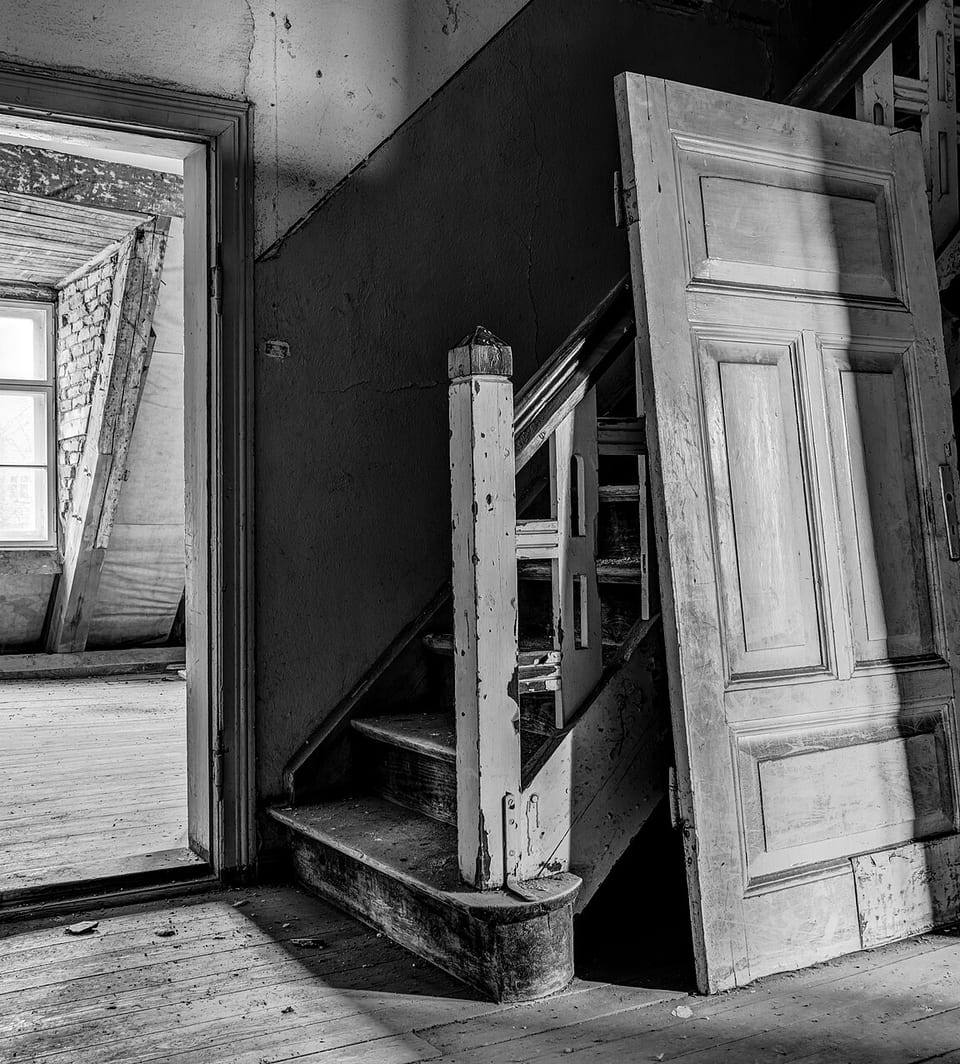
Here is what makes the story worth sitting with: the house never changed. The same walls that once held enslaved people still stand on the same ground. What changed is who holds it — and with that, what the place means. Continuity and reversal at once. The land carries its whole history, yet the deed now reads differently than anyone in that family line could have imagined a generation ago.
The verse from Titus describes a reversal with a similar shape, though at a far deeper level. It locates new life not in anything we earned or arranged, but in mercy that rewrites a story we could not fix ourselves. A descendant standing as owner of the ground where his ancestors suffered is a picture of restoration no one in the family engineered. It arrived through circumstance, not merit — the way mercy tends to arrive.
Honesty requires a limit here. A change of deed does not erase the suffering the house witnessed, and the verse speaks of spiritual rebirth, not the repair of historical injustice. Owning the place does not settle what happened there, and no one yet knows what the owner will do with it. But both the story and the verse point toward the same surprising truth: restoration sometimes comes through doors we did not build, into stories we could not repair on our own. Perhaps this week we can hold both — the weight of what our places and families carry, and a quiet gratitude for the renewals we never arranged.
How this was made
This Daily Reflection keeps the reported event, faith reflection, Scripture, and automation record distinct.
- Sourced news facts
- Grounded in source event c24968d9-d641-4132-88b2-8593f25790c5: 9/6/2026: Sharswood; Boom Chicago.
- Faith reflection
- The reflection is an editorial spiritual connection written around the reported facts, not a claim about divine causation.
- Scripture
- Titus 3:5 (NLT) is displayed exactly from the curated Scripture record b0650841-13e8-4683-a5c5-c0b2c284c837.
- Automation
- Automated drafting used cloudflare-workers-ai (@cf/zai-org/glm-5.3-flash); automated polishing and safety checks used cloudflare-workers-ai (@cf/zai-org/glm-5.3-flash). Prompt bundle: sha256:cd10e09718f2f3528c3f35ff9998cc037d2e25440b7f7bf6d9e09f901592e998. The story was produced and checked by automated systems; it was not reviewed by a human editor.
- Corrections
- Version 1. No correction or retraction is recorded. See our corrections policy.