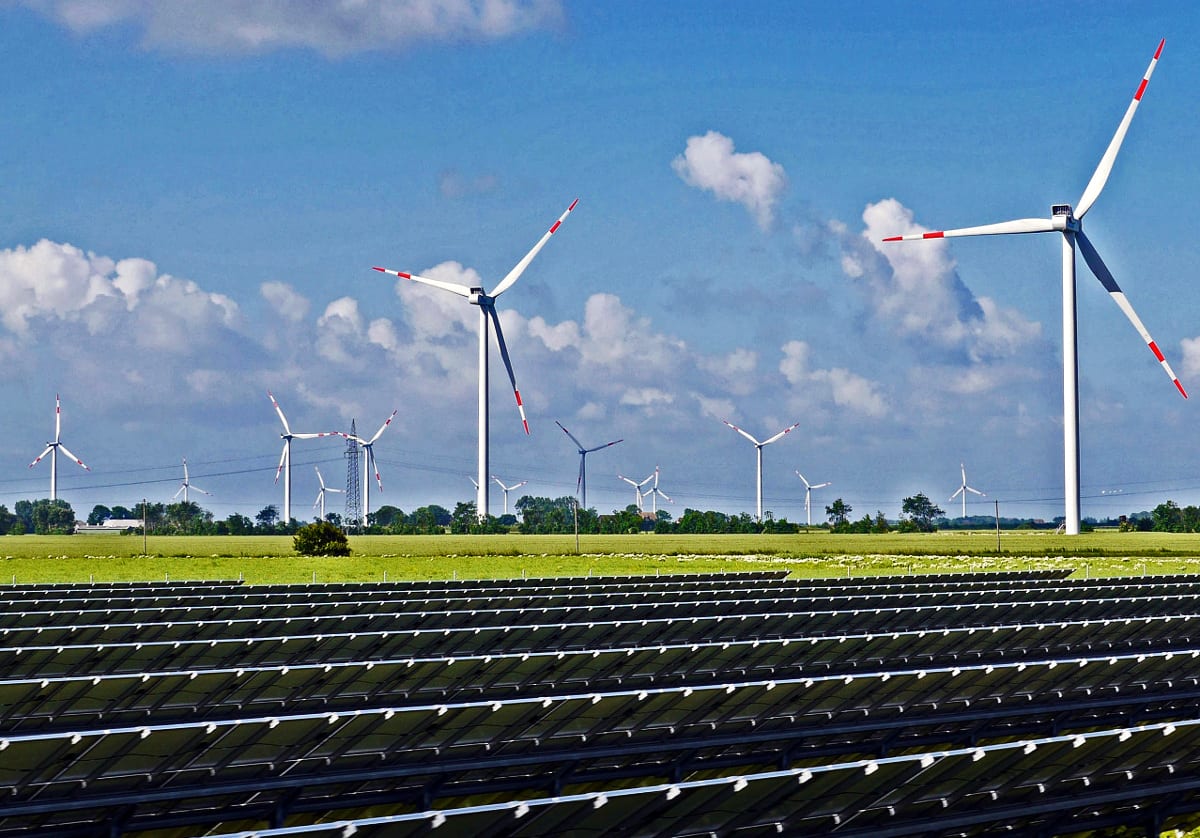
There is a particular kind of surprise in learning that Texas — the state whose very name conjures pumpjacks and derricks — now produces more solar-farmed electricity than anywhere else in the country. The instinctive way to tell that story is replacement: the new thing conquering the old, one identity swept out to make room for another. But the reporting's own framing suggests something subtler. It describes how the oil capital welcomed a solar boom — which means the new thing grew inside the old identity rather than against it. Texas did not stop being Texas to become this.
That distinction matters more than it first appears. The change is real and measurable — the top spot in solar now belongs to a state defined by petroleum for over a hundred years. Yet the oil identity did not vanish to make room for it. The new grew alongside the old. And that is closer to how renewal actually works than the demolition-and-rebuild story we tend to prefer. In a life of faith, new growth rarely arrives on cleared ground. It emerges in soil that already has a history — the same fields, the same people, the same well-worn places, suddenly bearing something no one planted there before.
We should be honest about what this report does not tell us. It does not explain why the boom took hold in Texas, how quickly it will continue, or what it means for the workers and communities whose livelihoods have long come from oil. It is not a verdict on the past or a promise that the transition is finished. What it does offer is a picture: a place becoming something new without disowning what it was.
Which raises a question worth sitting with. Have we written off any part of our own lives — a habit, a relationship, a corner of our community — as permanently defined by what it has always been? The Texas story suggests we might hold those judgments more open-handedly, and ask where new growth is quietly emerging in ground we assumed had only one use.