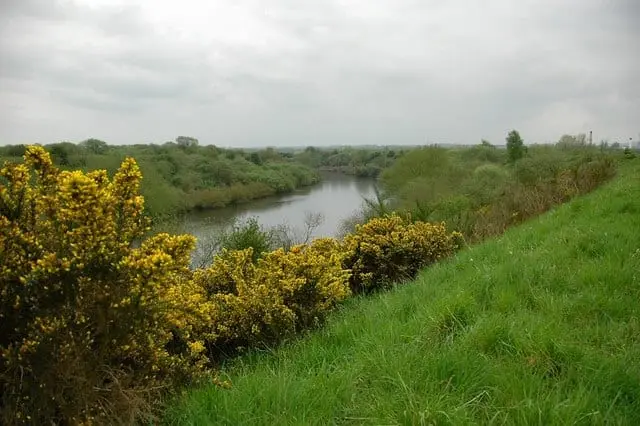
Twenty-nine of Britain's roughly 55 breeding black-necked grebes now nest on ground that spent years receiving canal dredging. That fact carries a quiet surprise: the same soil, the same coordinates, a completely different story. Restoration did not arrive as one dramatic moment. It came as four pairs in 2023, then fifteen young, then thirty-five pairs by 2025 — renewal measured in seasons, not snapshots.
The verse describes renewal the same way. It moves through a sequence — forgiveness, healing, redemption, crowning mercy — before reaching the image of an eagle finding its youth again. And notice what the passage actually asks of us: not effort, not strategy, but memory. May we never forget the good things he does. A person standing at Woolston Eyes today is doing exactly that — looking at former waste ground and refusing to forget what it was, because remembering is what turns a bird count into gratitude.
An honest limit belongs in the picture. Thirty-five pairs is a milestone, not a finish line; a species that rare remains fragile, and the wetland's recovery does not promise that every damaged place — or every damaged life — will flourish on our timetable. Some of the waste ground we carry is still waiting for its reedbeds. But the deeper implication stands: renewal tends to be patient, concrete work that yields more than anyone first expected. Discarded ground became the nation's stronghold for its rarest grebe.
So perhaps the practice is small and doable today: name one place or season of your own life that once looked like dredging spoil, and thank God for what has slowly grown there — while holding patience for the corners still under restoration.