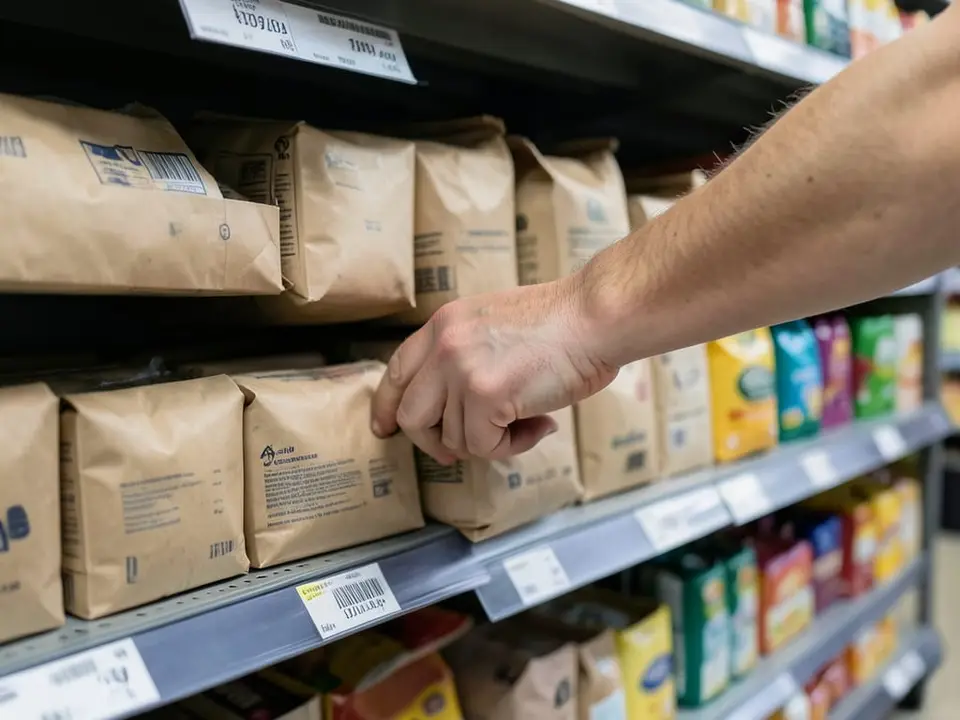
Two realities now stand at the same checkout counter. On one side is a buy-local movement that remains strong even as a trade war looms; on the other, price tags that new tariffs could push higher. We usually assume community is something we enjoy when it's convenient — a comfort, not a cost. But a movement tested at the register reveals something different: belonging is something we pay for, in small increments, one receipt at a time. The loyalty was easy to admire when it cost nothing. The tariffs are about to show what it's actually made of.
That is where the verse does its quiet work. It ties kindness and tenderheartedness to a memory — forgive one another, just as God, at real cost, forgave you. The kindness it describes is not a mood; it is a response to a belonging that was expensive for someone else and free to us. Choosing the neighbor's goods at a few extra dollars is a small, everyday echo of that pattern: community is sustained not by what is cheapest but by what people are willing to carry for one another.
The limit deserves its own sentence. The verse sets no prices and endorses no trade policy, and it promises no shield from economic strain. A family on a tight budget that reaches for the cheaper import is not failing at faithfulness — sometimes tenderness looks like thrift, and God is not grading our groceries. What the moment offers is not a rule but a posture of noticing: every ordinary purchase either carries our neighbors a little or leaves them to carry themselves.
So this week, notice one purchase where a few extra dollars could keep your money among neighbors — and hold it lightly, as a small act of belonging rather than a test of virtue. The checkout line, it turns out, has been asking a spiritual question all along: what is our togetherness worth when togetherness starts costing something?