McConnell’s Hospitalization and Planned Retirement Raise a Stewardship Question About Human Limits
A public explanation after weeks of speculation invites reflection on duty, frailty, and honest service.

The News
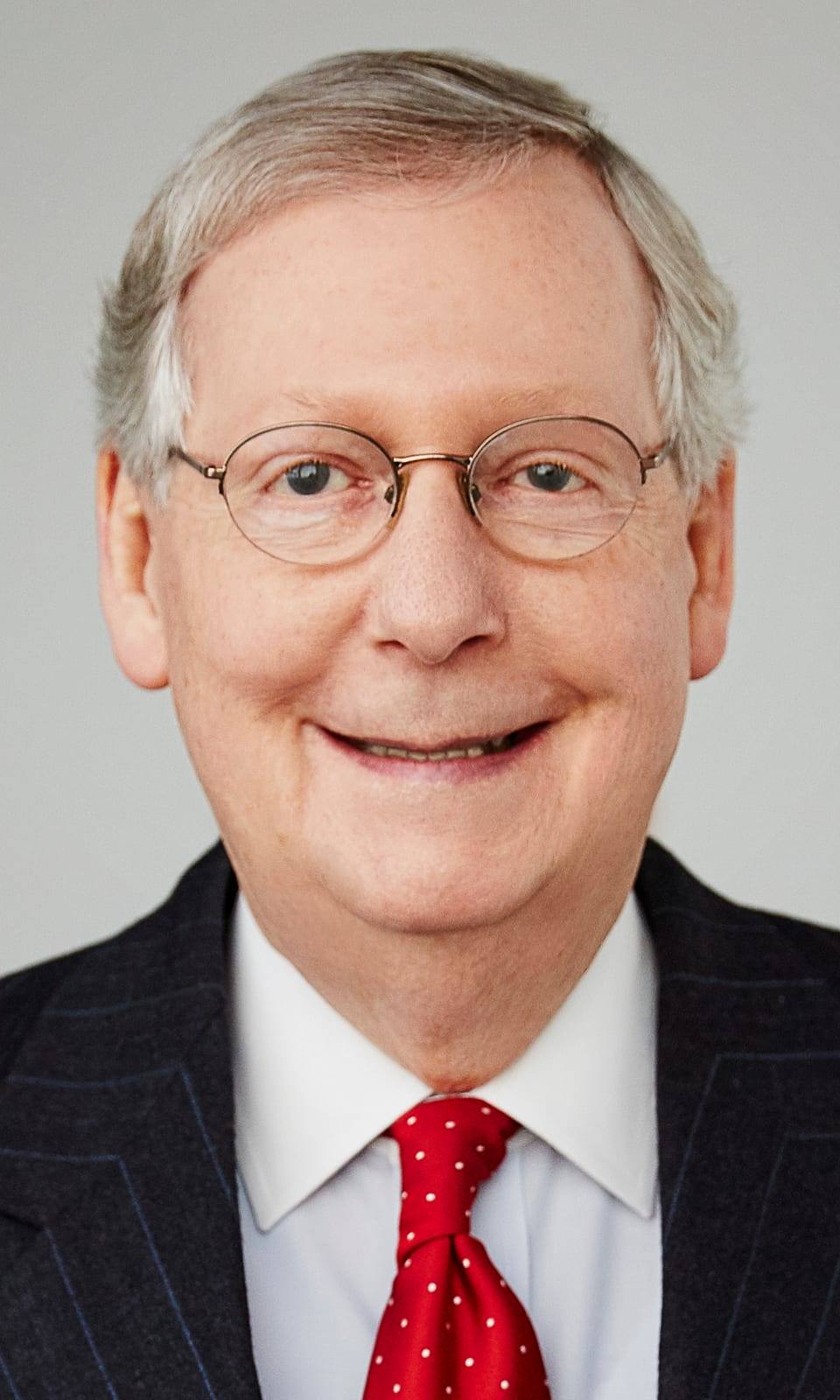
Sen. Mitch McConnell said Sunday that he was hospitalized after a fall about four weeks ago, breaking weeks of silence about his health. McConnell said doctors confirmed he did not suffer broken bones, a concussion, a heart attack, a stroke, tumors, or hemorrhages, but that he was briefly unconscious and had a mild case of pneumonia.
The statement was his first public explanation of the hospitalization, which had fueled weeks of speculation about his health ahead of his planned retirement. He said part of his retirement decision was related to the demands of Senate work and that he intends to finish his term.
The Reflection
McConnell’s statement spends much of its force on what did not happen: no broken bones, no stroke, no heart attack. The more important movement is that weeks of silence gave way to a plain account of a fall, brief unconsciousness, and pneumonia. The change is disclosure; the continuity is limit. He plans to finish his term, and he ties part of his retirement decision to the demands of Senate work, but neither the disclosure nor the plan proves full recovery.
That leaves a question leadership rarely gets to answer honestly: what does it mean to carry responsibility when the body cannot be managed like a calendar? The statement does not settle whether his timing is wise or whether every concern about his health was misplaced. It offers his account and intention. The deeper reality is that public work, like private work, eventually meets human finitude.
Stewardship becomes spiritual at that boundary. We often confuse faithfulness with endless capacity, as if naming weakness were a failure of resolve. Yet honest limits are part of carrying work well. When a public figure says what the body cannot sustain, it can invite the rest of us to do the same: tell the truth about what we can bear, finish what is ours to finish, and stop pretending we are unbreakable.
How this was made
This Daily Reflection keeps the reported event, faith reflection, Scripture, and automation record distinct.
- Sourced news facts
- Grounded in source event 01018c9b-8423-4375-9330-c3c2df33c46f: McConnell breaks weeks of silence about his hospitalization.
- Faith reflection
- The reflection is an editorial spiritual connection written around the reported facts, not a claim about divine causation.
- Scripture
- No Scripture citation is attached to this story.
- Automation
- Automated drafting used qwen (qwen3.8-max-preview); automated polishing and safety checks used azure (gpt-5.5). Prompt version unavailable. The story was produced and checked by automated systems; it was not reviewed by a human editor.
- Corrections
- Version 2. Corrected or updated 8/3/2026. See our corrections policy.