After Qatar’s Former Emir Dies, Leadership Is Measured by What Remains
Public remembrance of Sheikh Hamad’s rule invites us to consider the lasting trace of influence.

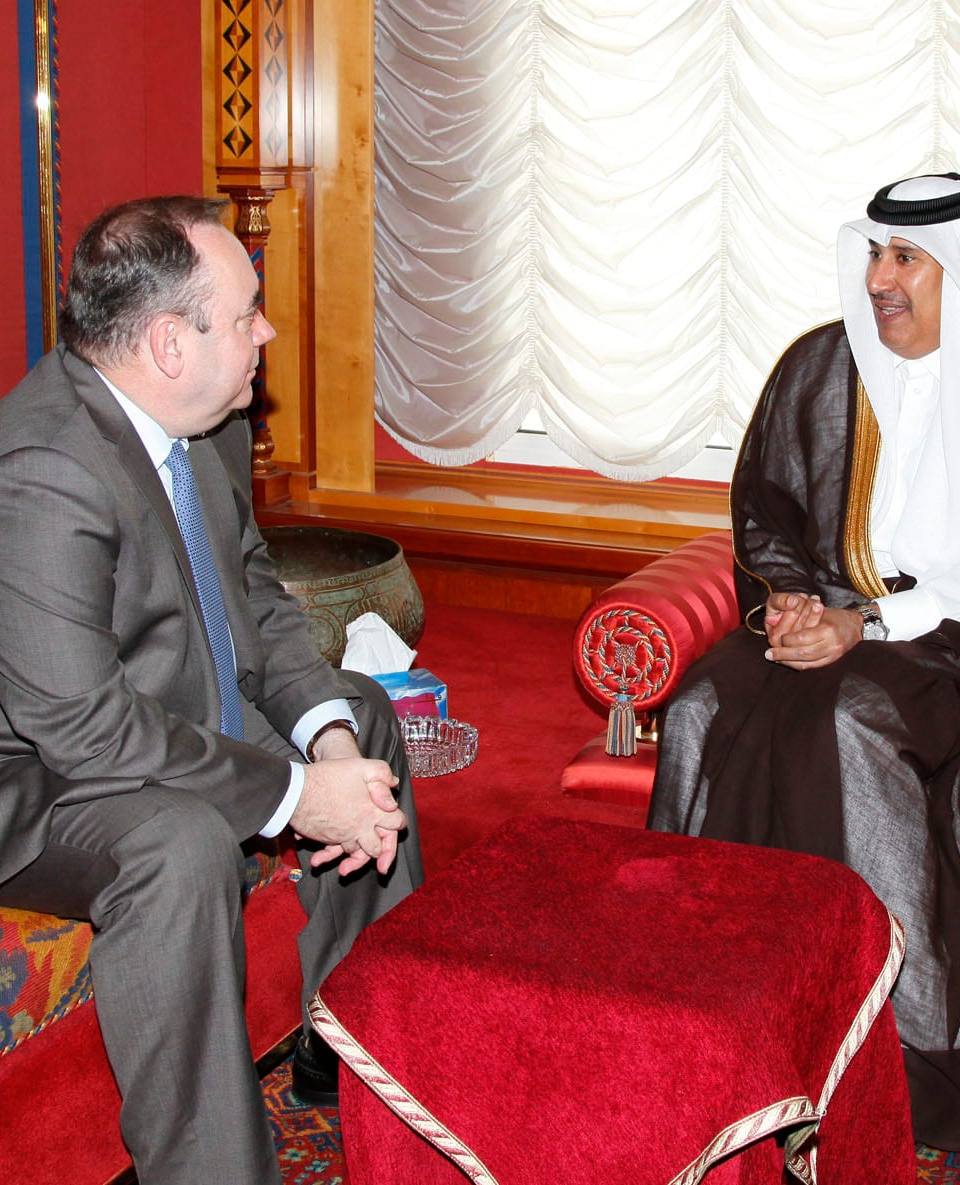
The News
Former Emir of Qatar Sheikh Hamad bin Khalifa Al Thani has died, prompting public reactions from global leaders. In statements after his death, leaders offered condolences and praised his legacy, pointing to Qatar’s growth during his years in office.
The reports focus on the former emir’s recorded impact rather than on what Qatar’s future leadership will do. The change is clear: a former head of state has died, and the public conversation has turned to what he leaves behind.
The Reflection
The reaction to Sheikh Hamad’s death points to a measure we often avoid: leadership is not finally assessed by the title someone held, but by what remains when the title is gone. The reports note two things: global leaders offered condolences, and they praised his legacy alongside Qatar’s growth. Those facts do not settle the whole story, but they show how quickly a life in office becomes a conversation about lasting effects.
That is where continuity and change meet. Death changes leadership immediately, yet it does not immediately erase the institutions, habits, and examples a person leaves in place. At the same time, public praise is not a full moral audit. The reports do not evaluate every aspect of Sheikh Hamad’s rule, and official condolence should not be treated as final judgment or divine endorsement. A legacy can be real without being complete.
That distinction brings the story closer to home. Most of us do not govern nations, but we still shape the spaces we occupy: a family’s sense of security, a workplace’s trust, a community’s willingness to serve. The question is not whether our roles will outlast us. They will not. The question is whether what we build will still serve others when we are no longer there to receive credit.
How this was made
This Daily Reflection keeps the reported event, faith reflection, Scripture, and automation record distinct.
- Sourced news facts
- Grounded in source event 0a2660b7-10d5-4258-bbc9-ee35a7dfe4d6: Former Emir of Qatar Sheikh Hamad bin Khalifa Al Thani dies: Reactions.
- Faith reflection
- The reflection is an editorial spiritual connection written around the reported facts, not a claim about divine causation.
- Scripture
- No Scripture citation is attached to this story.
- Automation
- Automated drafting used qwen (qwen3.8-max-preview); automated polishing and safety checks used azure (gpt-5.5). Prompt version unavailable. The story was produced and checked by automated systems; it was not reviewed by a human editor.
- Corrections
- Version 2. Corrected or updated 8/3/2026. See our corrections policy.