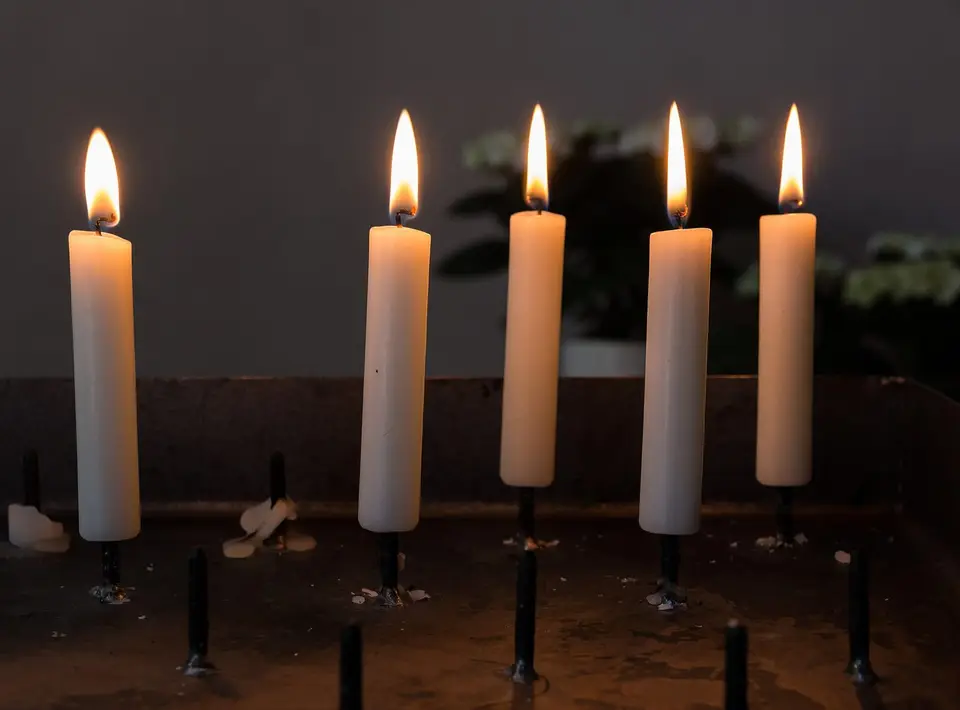
A death toll can become a wall rather than a window. The report gives necessary measures of the outbreak: 3,200 infections, 1,405 deaths, and 1,000 new cases in 10 days across five provinces. Those facts tell us the danger is widening, but they cannot convey the individual lives, families, and communities behind each death. The contrast is not between facts and feelings. It is between what can be counted quickly and what must be carried slowly.
Romans 8:18 places present suffering beside a promised future glory, and the wording matters. It does not say the suffering is unreal, deserved, or about to be explained. It refuses to let suffering have the final sentence. That kind of hope does not ask us to skip grief. It gives us permission to name an outbreak as terrible while also refusing to treat death as the last reality. The verse does not promise immediate protection, remove public-health danger, or answer why this outbreak occurred. It stands against despair without standing away from pain.
For readers far from Congo, the temptation is distance. A large number arrives on a screen, and the heart protects itself by treating tragedy as data. The better path is honest lament: pause over 1,405 deaths long enough to remember that every one is a person known by someone, and pray without pretending the danger is small. Faith can be steady precisely because it does not need to deny the weight of what is happening now.