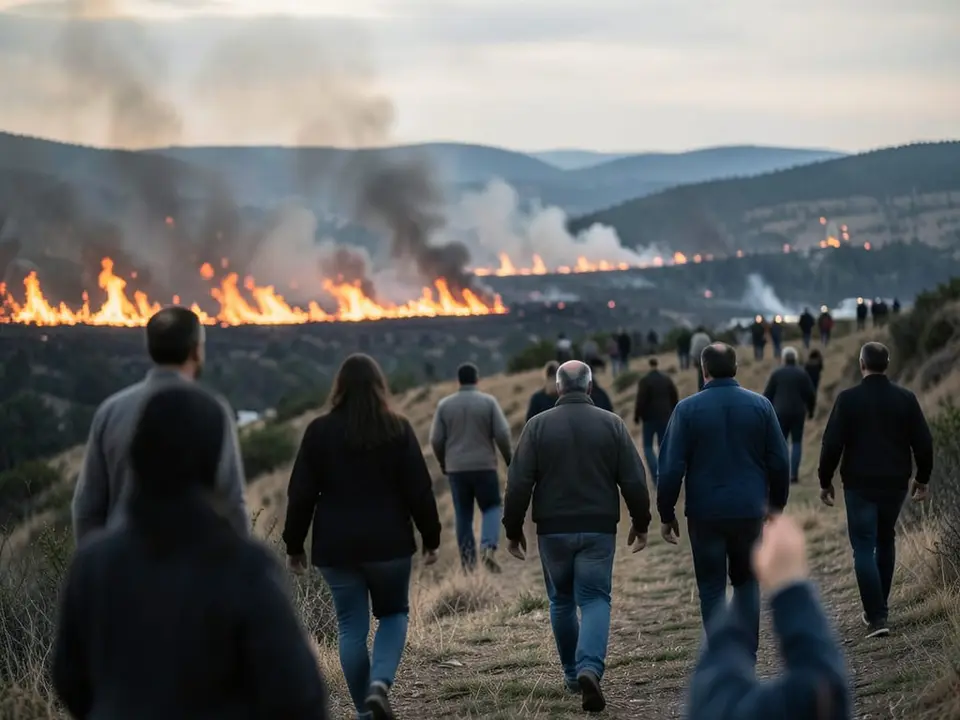
The word refuge usually points to a place we run toward. In this report, it names a direction away from home. The central question is not only where so many people will sleep, but what happens to our sense of safety when familiar streets become a place to leave. The account gives two facts: wildfires forced mass evacuations around Bordeaux, and about 200,000 people were moved from ordinary routines. That is a sudden change from settled life to displacement, and it does not say when those residents may return.
That unresolved future matters. We should not treat evacuation as a simple pause, as if a locked door and a road away from fire can easily become a return to normal. The loss is real even before any structure burns, because daily life itself is interrupted. Isaiah’s promise does not explain why the fires began, and it does not promise every evacuee a quick restoration of property. It speaks instead of a future where tears are wiped away and death is swallowed up.
That moves the story beyond emergency logistics. If our deepest refuge cannot be reduced to an address, then neighbors can offer practical shelter without pretending we can fully repair what has been broken. We can make room, carry bags, and pray with people whose plans have collapsed, while placing ultimate hope in a restoration no disaster can reverse.