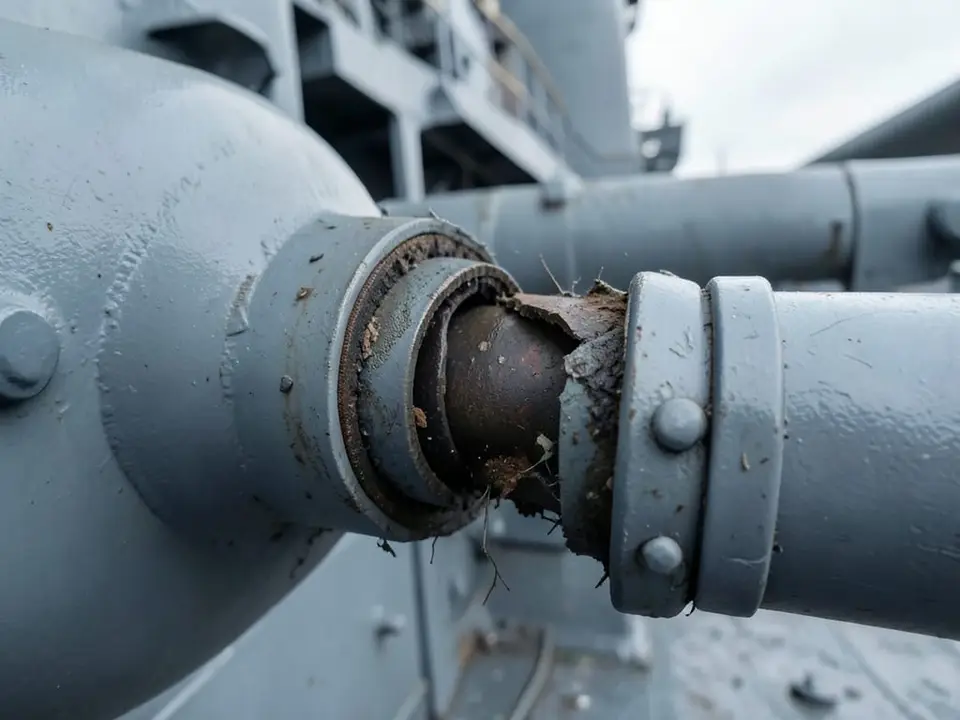
A relief carrier is already on the way, but the reason it is coming is what should hold our attention: thousands of sailors have reportedly lived with food shortages and broken plumbing, and some have considered going overboard. A relief mission is a concrete step, yet it is also an admission that the need became severe enough to require one.
Zechariah's instruction does not offer an audit of what failed aboard the Lincoln. It sets a sharper standard: fair judgment, mercy, and kindness toward one another. That standard reaches into institutions. A crew can be mission-capable while the people inside it are short of food, unable to count on basic plumbing, and quietly in despair. The verse treats that hidden suffering as a moral test, not a maintenance footnote. A replacement carrier may be necessary, but kindness asks whether anyone noticed the crew's distress before a deployment had to be sent.
The deeper question follows us beyond the Lincoln. The institutions we live and work in can keep functioning while someone inside is quietly running on empty. Noticing that person before a crisis is a form of the mercy Zechariah describes, and it is something we can practice now.