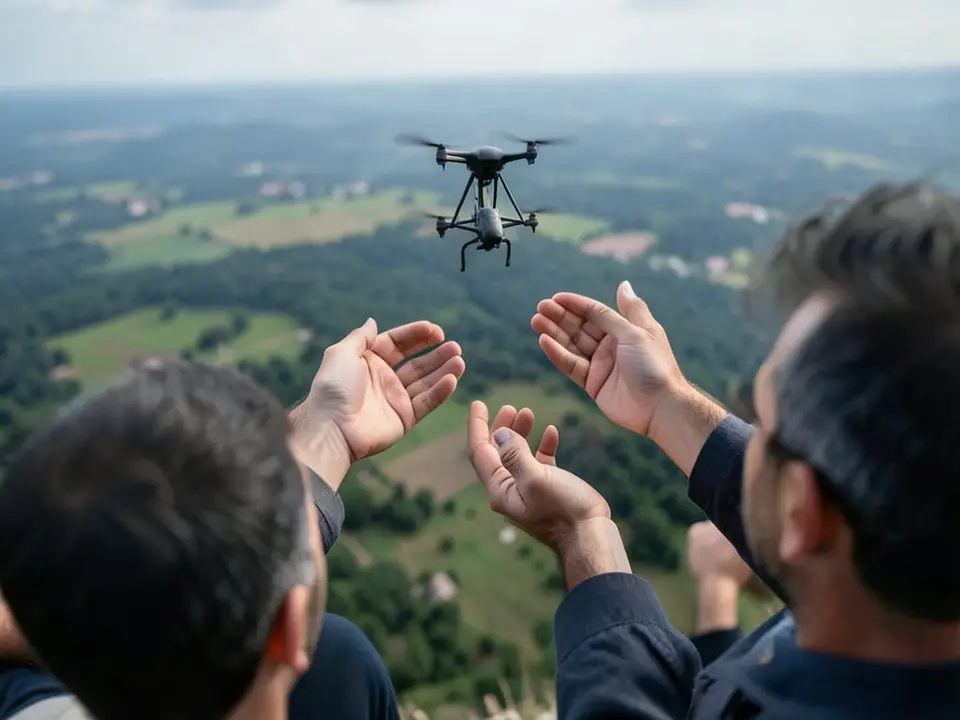
The contrast in this report is not simply that drones are modern and villages are remote. It is that a serious disease is still pressing on people whose lives can remain invisible to the rest of us. The report says doctors are using drones to fight tuberculosis and save lives in remote Philippine communities, and it presents the work as a transformation of care. Those facts hold two realities together: a new tool can cross difficult distance, while the distance itself shows how easily overlooked people can stay out of sight.
That tension keeps the story from becoming a simple celebration of technology. Drones do not end tuberculosis by themselves, remove poverty, or guarantee justice for every patient. Proverbs 31:8-9 does not bless a machine or promise that innovation has resolved the deeper need. It calls for advocacy: speak up for those who cannot speak for themselves, ensure justice for those being crushed, and see that the poor and helpless receive justice. The command moves beyond sympathy toward active attention.
The spiritual question is less "Are drones impressive?" than "Will compassion cross distance?" Faithful care often begins when we refuse to let remoteness become indifference. We may not be carrying medical supplies across islands, but we can ask who near us remains unseen and look for one practical way to help their needs be heard and served.