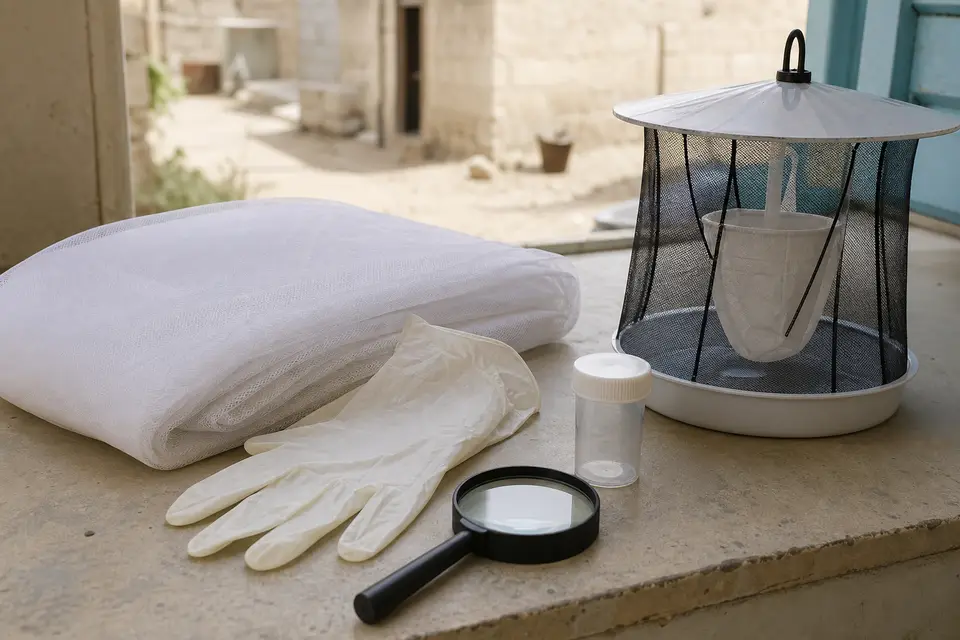
The word race sets two realities side by side. A deadly mosquito-borne disease is spreading in Yemen, and health workers are moving toward the danger rather than standing at a safe distance. That contrast says something true about us: we are vulnerable to forces we cannot fully control, yet we are also capable of choosing care that costs us something.
The report does not tell us why those workers keep going, and the psalm does not promise that the outbreak will be contained or explain why it arrived. Compassion does not remove the threat facing patients, families, and responders. Still, Psalm 103 gives a shape to mercy: God is like a father, tender and compassionate toward his children. If tenderness is part of God's character, then drawing near to suffering with practical care is not merely sentiment. It is a way of reflecting the One we follow.
That leaves us with a question closer than Yemen: when distant suffering appears in our feeds, do we look away, or do we let it move us to attention, prayer, and concrete help? We cannot carry every crisis, but we can resist the habit of treating pain as background noise. A tender heart does not always begin with a grand rescue. Sometimes it begins by refusing to look away.