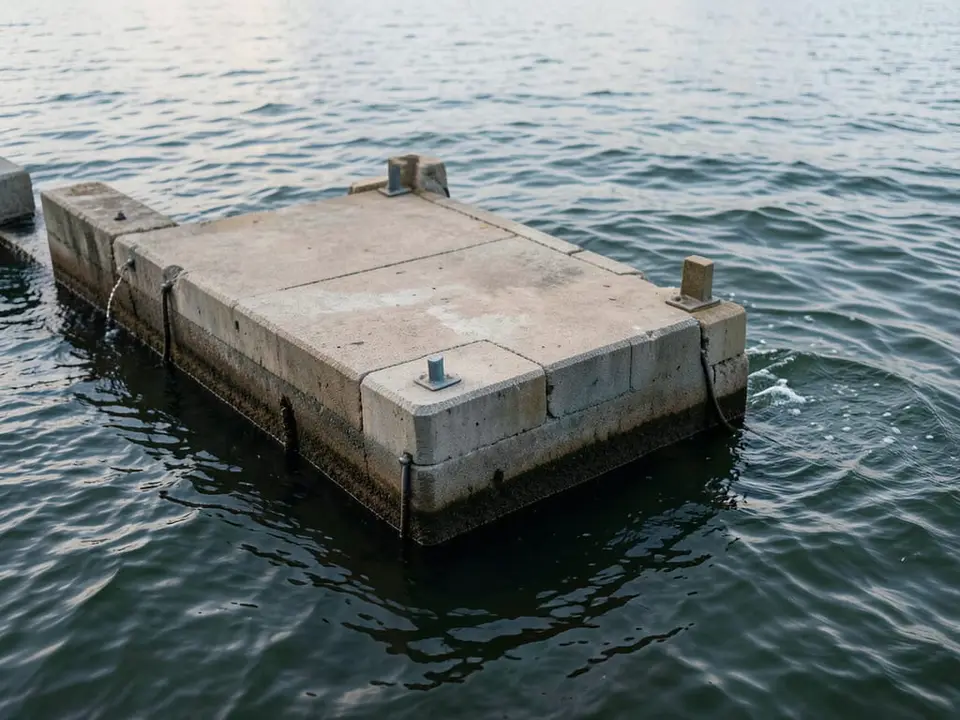
Spanish authorities said on Saturday that they were installing a floating barrier on the sea border between their North African territory of Ceuta and neighboring Morocco. The move follows a surge of tens of thousands of migrants into the territory earlier in the week, which provoked alarm across the European Union.
The report places two images side by side: a barrier going up in the water, and tens of thousands of people arriving at the same shore. One is visible as policy. The other is visible as human need. Neither cancels the other out.
Colossians doesn't say to simply feel compassion. It says to clothe ourselves with tenderhearted mercy, kindness, humility, gentleness, and patience. That verb is striking because it is deliberate and active — chosen and intentional, the same way installing a floating barrier is deliberate and active. Both are decisions about what to put between yourself and someone else. A barrier is something you construct. Mercy is something you put on.
The verse does not prescribe immigration policy or declare borders illegitimate. Nations have real governance responsibilities, and the tens of thousands arriving at Ceuta's shore represent a genuine logistical challenge that no single sentiment can resolve. But the contrast still asks something of us. We can hold the legitimacy of governance alongside the question of what we are clothing ourselves with when we encounter people in need — whether at a national border or in our own neighborhood. Mercy, humility, and patience are not passive feelings that happen to us. They are garments we choose to wear, or choose to leave on the shore.