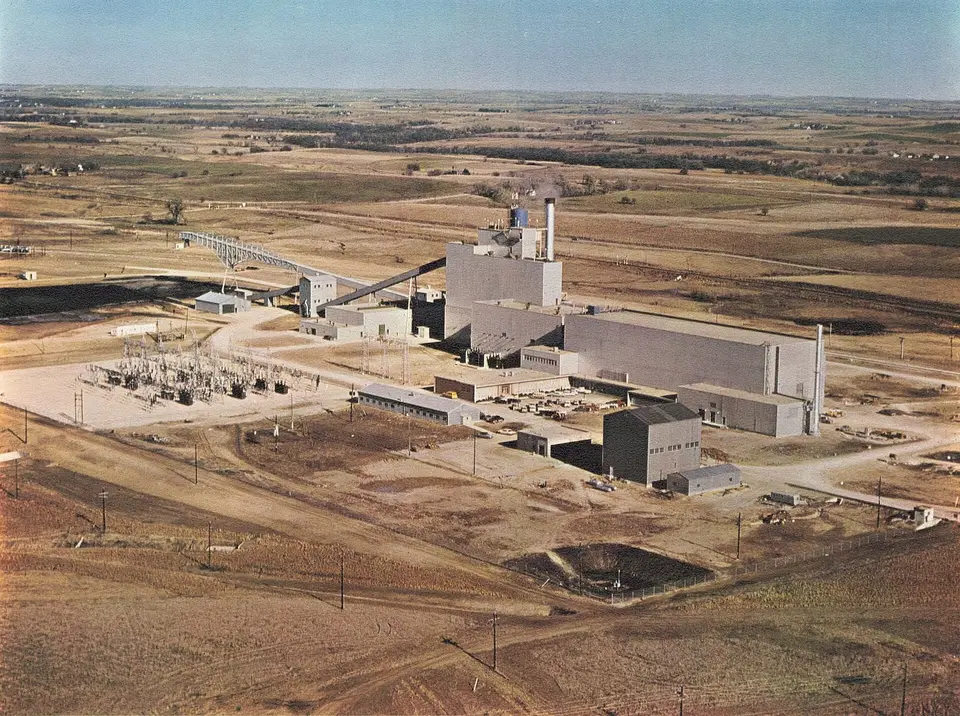
A deal can create permission without creating peace. The most revealing part of this report may be the question still hanging over it: what will this mean for the region? A planned agreement can permit a technical capability — Saudi fuel enrichment — while leaving the deeper matter of peace unresolved. The contrast is between what can be announced and what cannot be guaranteed. Governments can outline terms and set rules for nuclear material. They cannot, by themselves, produce the trust that makes an agreement durable.
Zechariah’s instruction does not start with security arrangements or strategic advantage. It starts with truth-telling and just verdicts, the ordinary practices that give public promises weight. That is a hard contrast for anyone who wants peace to look like a signed document. Zechariah does not judge whether this nuclear agreement is wise, promise regional stability, or give us grounds to claim God's blessing for one diplomatic result. Its force is different: peace depends on moral credibility, not merely on capability or convenience.
That question reaches closer than international policy. Many of us rely on arrangements — contracts, alliances, workplace understandings, family patterns — that look stable but may rest on unspoken fears or half-truths. The invitation is to ask whether the peace we depend on is built on honesty and justice, or only on the ability to keep things running.