Inspirational Thought
Trump Cuts Nearly 3 Million Utah Monument Acres, Raising a Stewardship Question
Nearly 3 million acres face reduced monument protections, raising questions about stewardship, uncertainty, and inheritance.
On the press
The edition is loading.
Inspirational Thought
Nearly 3 million acres face reduced monument protections, raising questions about stewardship, uncertainty, and inheritance.
A concise digest of source-backed Infolitico stories when the day has a truthful slate. Thin mornings are skipped rather than padded.
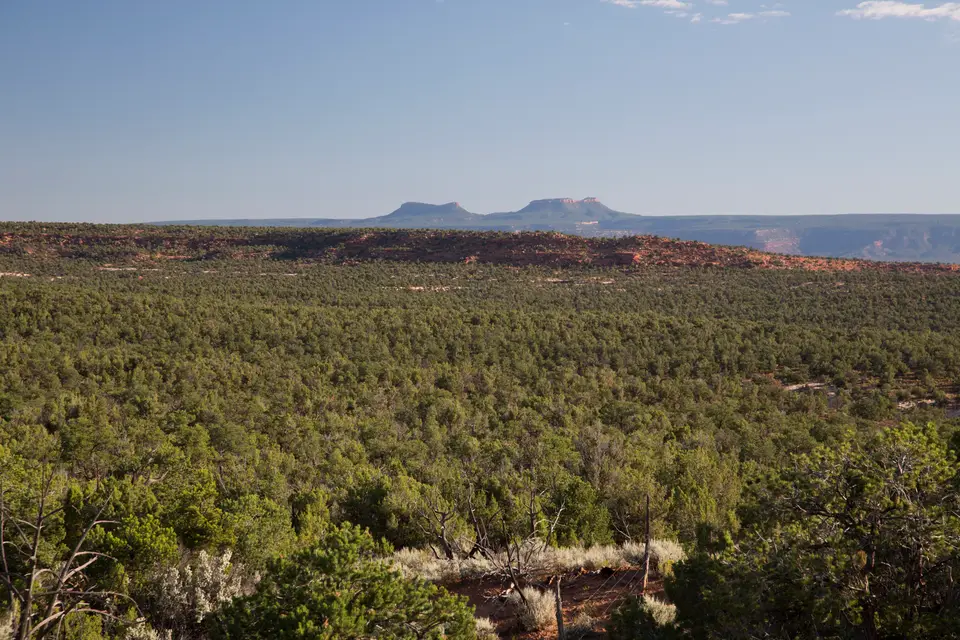
President Trump issued orders Monday reducing protections on nearly 3 million acres in southern Utah, affecting more than 90% of the area of both Grand Staircase-Escalante and Bears Ears national monuments.
Grand Staircase-Escalante will lose nearly 1.7 million of its 1.87 million acres, while Bears Ears' 1.36 million acres will be reduced to about 121,000. The orders leave unresolved legal questions about whether a president can unilaterally withdraw a predecessor's monument protections, and some removed lands remain under other federal designations that restrict development, at least for now.
The confirmed scale of these cuts raises a stewardship question precisely because the outcome is not settled. We know the boundaries changed dramatically: nearly 3 million acres lost monument protection, and more than 90% of each designated area was affected. We do not know what that will mean on the ground, because courts may weigh presidential authority, other federal designations may still limit development, and the practicality of extraction has been debated for years.
That gap between what is known and what remains unknown is where stewardship actually lives. The decision does not prove that development is inherently harmful, that preservation is always the faithful choice, or that any leader's motives are pure. It does show how public choices over shared places are made with incomplete knowledge, while communities and future visitors will live with the results long after the orders are signed.
Stewardship, in that light, is less like total ownership and more like a trust. It asks us to hold power, place, and future neighbors in the same moral frame, and to resist reducing a shared inheritance to a single use or a single generation's preference. We can care for what is shared — land, community, institutions — without demanding full certainty or treating our preferred outcome as the only moral one.
This Inspirational Thought keeps the reported event, faith reflection, Scripture, and automation record distinct.
