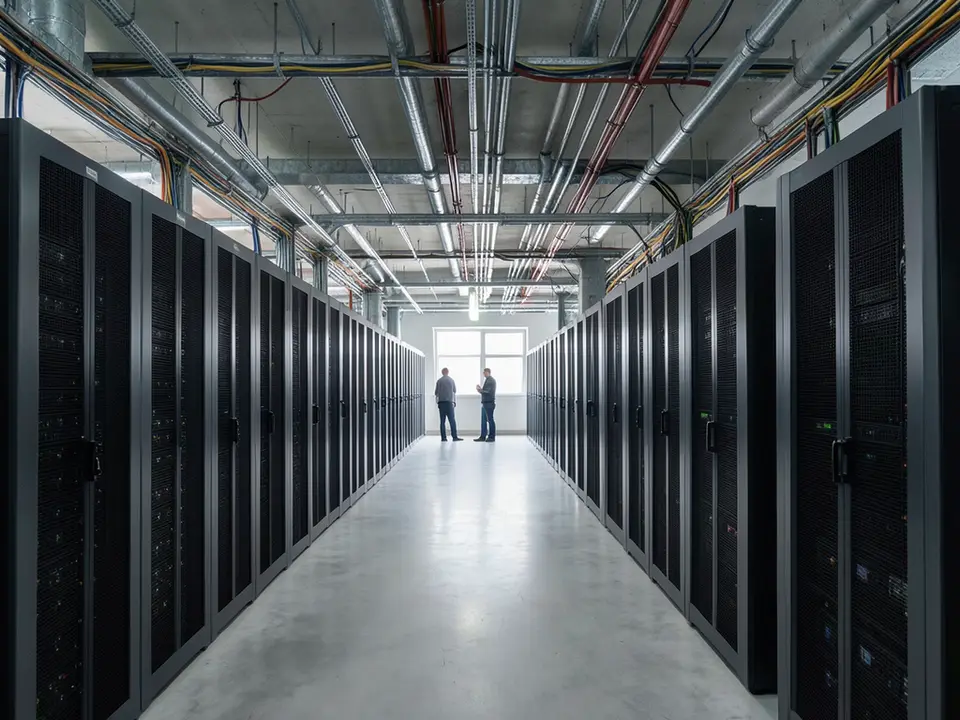
The reported milestone is real: data-center work can now offer rare pay for skilled tradespeople, with three Gen Z electricians under 30 described as earning $240,000 to $280,000 while carrying no debt. The remaining step is harder. AI's $10 trillion infrastructure boom still faces a skilled labor shortage, and the cited Fortune data describes an average premium of about 32%, not a universal windfall. The market has suddenly noticed physical skill, but it has not settled the worth of the worker.
That contrast exposes a habit we all share: we tend to measure work by what it pays or how visible it is. A large salary can reward training, open doors, and ease financial pressure. Those wages do not make every hard job safe, and they do not prove that God favors high earners. Paul's words to the Corinthians pull the measure away from the market. He ties lasting usefulness not to pay but to work offered to the Lord, insisting that such labor is never useless.
So the next step is not simply to chase the hottest trade. It is to ask whether our own work—paid or unpaid, celebrated or routine—can be done with strength, honesty, and devotion. Data centers may need more electricians, but every home, classroom, church, and shop needs people who treat daily labor as a place to serve God.